Prepare a horizontal centrifugal slurry pump enquiry around the transfer task, slurry records and intended installation.
Read the category overviewSlurry handling / Procurement
Bring your slurry duty into focus
Bring your slurry pump requirement into a clear project brief. Start with the stream being transferred, the paired flow and head requirement and the intended installation. Explore horizontal and vertical sump pump enquiries, then prepare the material, connection and maintenance questions needed to review a proposed equipment configuration.
Slurry handling procurement routes
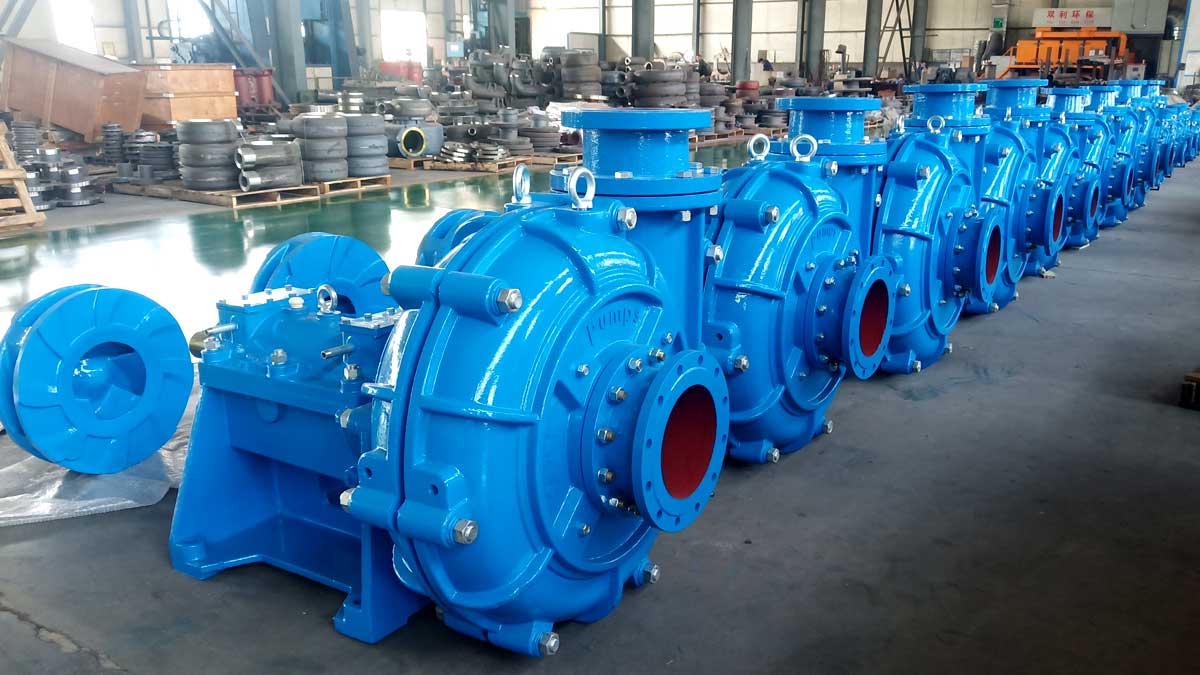
Duty-point dossierHorizontal centrifugal slurry pumps
Prepare a horizontal centrifugal slurry pump enquiry around the transfer task, slurry records and intended installation.
Review the pump familyVertical sump slurry pumps
Vertical sump slurry pump enquiries should identify the sump, its changing liquid levels and the slurry to be handled.
Review the pump familySlurry handling: category directory
Open category directoryVertical sump slurry pump enquiries should identify the sump, its changing liquid levels and the slurry to be handled.
Read the category overviewSlurry handling: application requirements
Open application requirementsMining slurry pump enquiries need a clearly identified stream rather than a general description of the mine.
Read the procurement guideMineral processing pump requirements should follow the particular process stage and stream being considered.
Read the procurement guideDredging pump enquiries should identify the material being moved, the transfer route and the operating location.
Read the procurement guideCoal washing pump enquiries should identify the particular plant stream and the conditions recorded for it.
Read the procurement guidePower plant slurry pump requirements should name the actual transfer duty and its plant equipment references.
Read the procurement guideChemical processing slurry pump enquiries should identify the process stream and the information needed for material review.
Read the procurement guideWastewater slurry pump enquiries should describe the particular treatment stream and the solids records associated with it.
Read the procurement guidePulp and paper pump enquiries should identify the mill stream and the material description supplied by the process team.
Read the procurement guideSlurry handling: procurement reading
Open procurement readingCompare horizontal and vertical slurry pump proposals against the intended installation and the same duty records.
Read the procurement guidePrepare submersible and sump pump comparison questions around the installation each proposal actually describes.
Read the procurement guideCompare self priming and flooded suction enquiries by describing the source arrangement and the proposed pump location.
Read the procurement guideA multistage pump enquiry should begin with the project duty and the documents needed to review a proposed arrangement.
Read the procurement guidePrepare a split case pump requirement around the intended transfer duty, fluid records and installation limits.
Read the procurement guideA skid mounted slurry pump enquiry should identify the equipment boundary and the interfaces expected on the proposed package.
Read the procurement guideDefine the slurry pump duty with flow and head submitted together for each operating case.
Read the procurement guideSlurry pump discharge size enquiries should start with the existing or planned piping interface.
Read the procurement guideA particle size enquiry should identify the sampled slurry and the report behind its particle description.
Read the procurement guideSlurry concentration enquiries need the definition behind the reported value as well as the value itself.
Read the procurement guidePrepare abrasion assessment questions with the slurry sample records and the observations available from the intended duty.
Read the procurement guideCorrosion assessment enquiries should identify the fluid record, operating conditions and components being questioned.
Read the procurement guideTemperature condition enquiries should identify the operating case and the record behind the stated temperature requirement.
Read the procurement guideSeal selection questions should identify the proposed pump assembly and the process conditions the buyer wants reviewed.
Read the procurement guideCompare electric and diesel drive enquiries using the same pump duty and the actual site requirements.
Read the procurement guideRequest a slurry pump performance curve together with the configuration it describes and the duty it is intended to address.
Read the procurement guideMaterial compatibility enquiries should connect a proposed component with a defined slurry and operating condition.
Read the procurement guideImpeller and liner inspection enquiries should identify the exact assembly and the observations recorded for its components.
Read the procurement guideBearing maintenance document requests should begin with the pump and bearing assembly identification.
Read the procurement guideSpare parts enquiries should connect the requested item with the pump assembly, old component and drawing records available to the buyer.
Read the procurement guideStart with the slurry duty
Identify the source, destination and process stream on your project drawing. Attach the sample records available for that stream and state the concentration definition used in the report. Provide flow and head together for each operating case so the equipment enquiry can address the duty your project team actually wants reviewed.
Keep changed process conditions in separate entries. Ask the supplier to identify the slurry and duty records assumed in its proposed configuration response. Use the returned documents to raise specific questions with the project specialist before moving the proposed equipment into a purchasing comparison.
Explore horizontal and vertical arrangements
Use the horizontal pump category to prepare questions about the local layout, pipe connections and equipment boundary. For a vertical sump enquiry, prepare the sump section and available liquid level and support references. Ask for an outline drawing corresponding to the particular proposed arrangement before comparing its location with your installation requirement.
Keep alternative configurations under separate equipment references. Ask which accessories and drive items are included with each proposal. Compare the assembly documents against the same site requirements so the buyer can distinguish a change in pump arrangement from a change in the requested installation scope.
Prepare the component questions
Gather fluid composition, solids information and relevant inspection records before asking about proposed contact components. Identify the component concerned in each material, seal or maintenance question. Request drawings and descriptions that correspond to the actual assembly being considered rather than treating a general component name as a complete equipment identification.
Use the particle, concentration and material guides to organize missing information. For existing equipment, attach nameplate and old component photographs with the maintenance record. Ask which further documents are needed before comparing a proposed replacement with the assembly currently identified by the buyer.
Build a focused equipment enquiry
Bring the stream record, paired duty worksheet and installation drawing together in the quotation request. Identify which documents are ready and which questions remain open. Ask the supplier to return a configuration description with matching performance and interface references so the project team can review the actual proposed package.
Keep technical review questions separate from commercial confirmation of the itemized scope. Request maintenance and component identification information where needed by the buyer. Confirm minimum order quantity and lead time before ordering, and ask for packing, handling and delivery terms for the particular proposed equipment package.
Your next step
Discuss slurry handling requirements
Confirm minimum order quantity and lead time in your inquiry. Before ordering, confirm sample arrangements, packaging and delivery terms.
Certificates available upon request.
Email: anpump5@angroupcn.com